



Calcium Alginate Dressing for Pyoderma Gangrenosum | Advanced Wound Care
Indications
This product is suitable for all kinds of medium to high exudative wounds, acute and chronic bleeding wounds, difficult-to-heal wounds, donor site wounds, and various cavity wounds.
For example, ulcers, bedsores, diabetic foot, surgical wounds, sinus tracts, 1st & 2nd degree burns, etc.
DETAILS
Material
- Natural seaweed
- Calcium ion
Main Mechanism
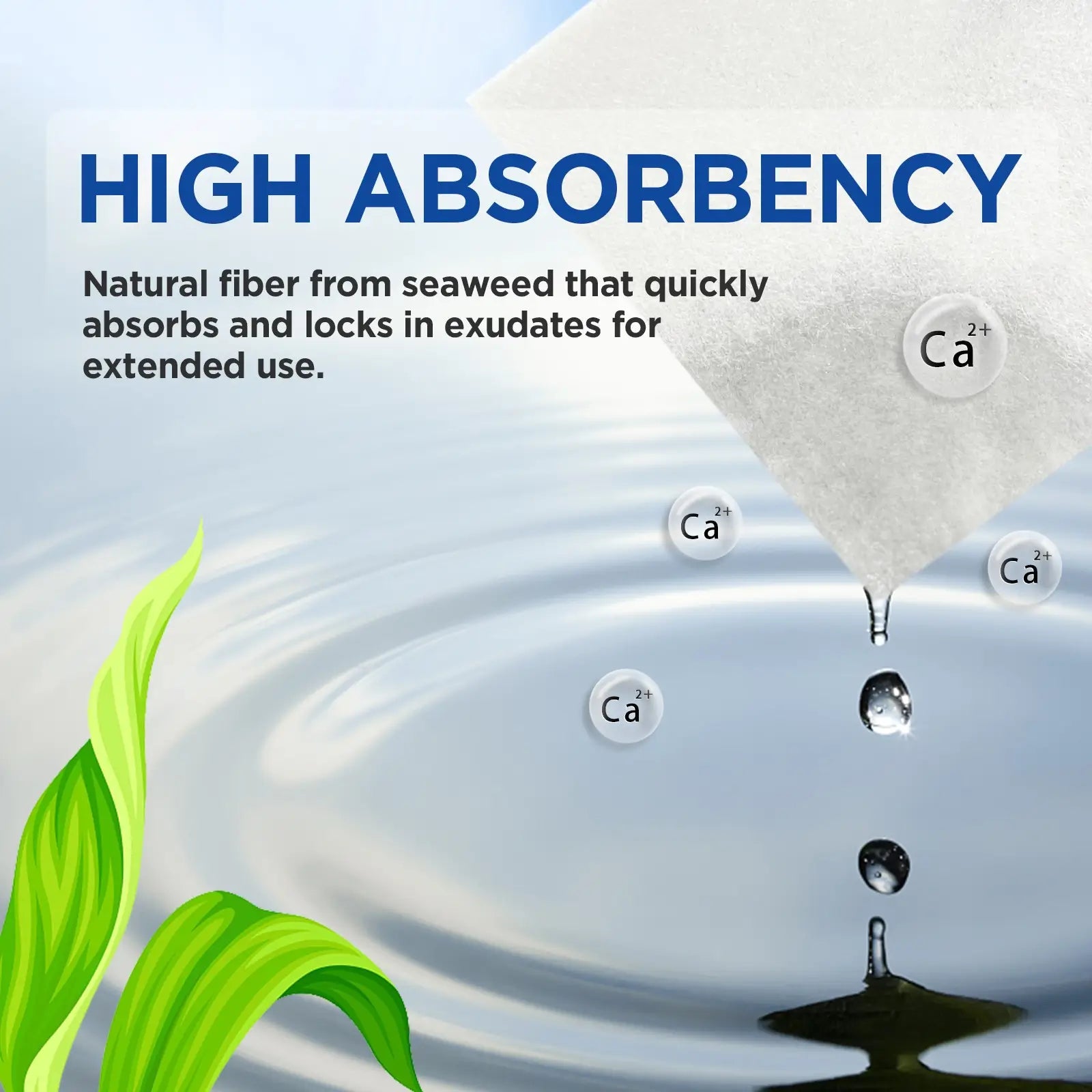
- It forms a hydrogel on the wound surface, moisturizing the wound and promoting healing.
- The exchange of Ca²⁺ and Na⁺ activates prothrombin, promoting coagulation.
- It protects nerve endings and alleviates wound pain.
- The fibers absorb moisture and swell. Bacteria are trapped between the fibers, providing antibacterial properties.
Key Features
- High absorption capacity
- Excellent wet and dry strength
- Fast gelling
- Promotes healing through a moist wound environment
- Comfortable and soft, painless removal
Cautions
- This product is not suitable for dry wounds.
- Clean the wound and dry the surrounding skin before use.
- Ensure the dressing covers at least 2 cm beyond the wound edge.
- The dressing should not stay on the wound for more than one week.
- When wound exudate decreases, discontinue use of this product and switch to other dressings, such as hydrocolloid dressings.
- When using packing strips, first determine the size and depth of the wound. Start filling from the base of the wound, avoiding dead spaces to ensure proper healing.


The Best Choice of Wound Dressing for Pyoderma Gangrenosum Care
When it comes to managing Pyoderma Gangrenosum, selecting the right dressing is crucial. Our Calcium Alginate Dressing is the best choice because it combines high absorption with gentle protection. By forming a soft gel upon contact with wound exudate, it maintains moisture balance, reduces the risk of infection, and protects surrounding skin from maceration. Patients with Pyoderma Gangrenosum benefit from its non-adherent design, which makes dressing changes less painful while supporting faster wound healing. Sterile, versatile, and effective, this dressing ensures professional-grade care for complex wounds.

CEEPORT Calcium Alginate Dressing – Core Features & Benefits
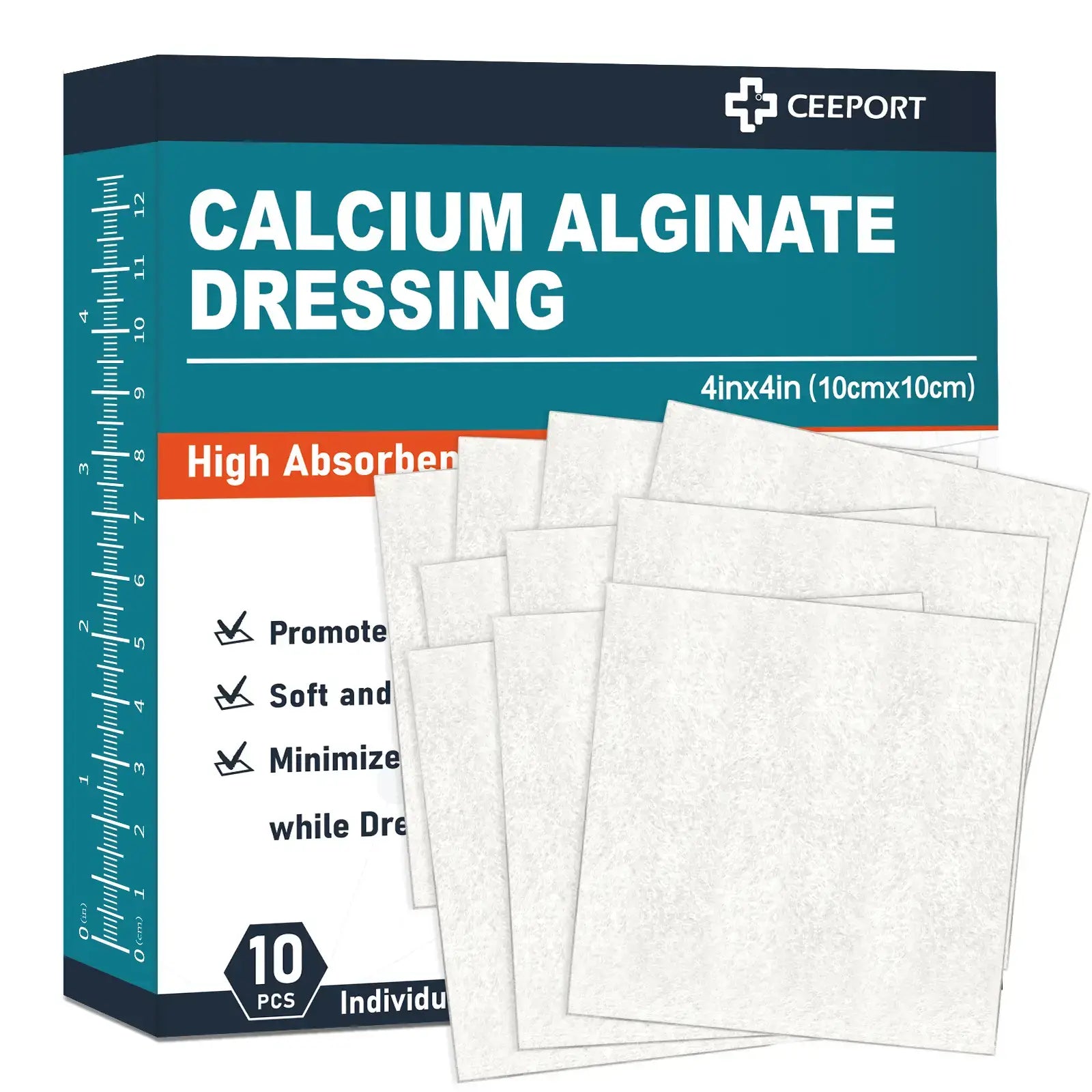
The CEEPORT Calcium Alginate Dressing is designed to provide advanced wound management for complex and chronic wounds such as Pyoderma Gangrenosum. Made from natural calcium alginate fibers, it quickly absorbs heavy wound exudate and transforms into a protective gel that maintains an optimal moisture balance. This environment not only promotes faster healing but also helps reduce the risk of infection and protects surrounding skin from maceration.

Its non-adherent and gentle removal design ensures comfort during dressing changes, making it ideal for sensitive wound beds. Each dressing is sterile and individually packaged, ensuring safe use in both home care and clinical settings. Versatile and effective, the CEEPORT Calcium Alginate Dressing is a reliable solution for managing Pyoderma Gangrenosum, pressure ulcers, venous leg ulcers, diabetic wounds, and other exudating injuries.
Suitable For
- Pyoderma Gangrenosum
- Pressure Ulcers
- Venous Leg Ulcers
- Diabetic Foot Ulcers
Easy to Use

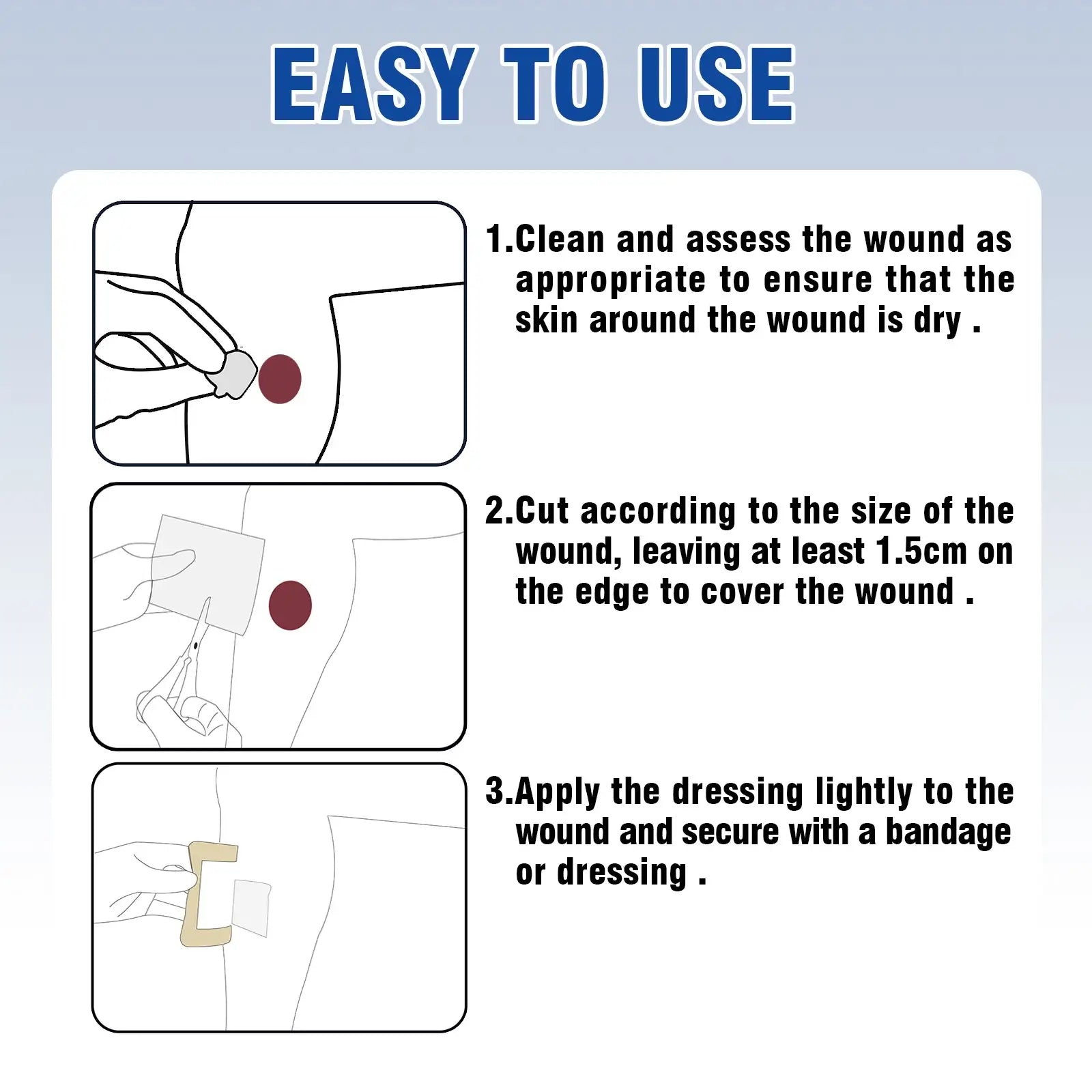
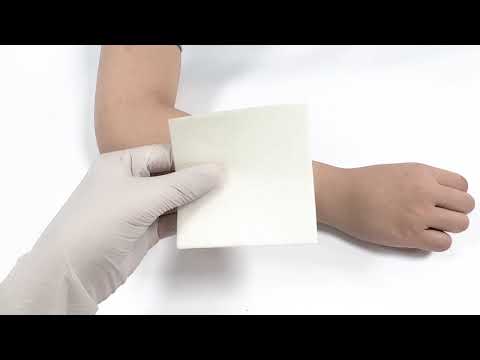
1. Clean
Clean and assess the wound asappropriate to ensure that the skinaround the wound is dry.

2. Cut
According to the size of the wound, cut it to the appropriate size.

3. Apply
Apply the wound dressing to overlap the wound edges at least 1 cm.

4. Fix
Fixed it with a bandage or dressing.
You asked, we answered.
What is a calcium alginate dressing used for?
Calcium alginate dressings are commonly used to manage moderate to heavily exuding wounds, including pressure ulcers, leg ulcers, surgical wounds, and burns. They are designed to absorb excess exudate while maintaining a moist environment that supports wound care.
How does a calcium alginate dressing work?
When the dressing comes into contact with wound exudate, the calcium ions in the alginate fibers react to form a soft, gel-like substance. This gel helps to absorb fluid and conforms to the wound bed, creating a protective layer that assists in managing moisture and minimizing the risk of maceration.
Can calcium alginate dressings be used on dry wounds?
No, calcium alginate dressings are not suitable for dry or minimally exuding wounds. They require moisture to activate their gel-forming properties. For dry wounds, a different type of dressing designed to hydrate the wound may be more appropriate.
How often should a calcium alginate dressing be changed?
Dressing changes depend on the level of wound exudate. Typically, calcium alginate dressings are changed every 1 to 3 days or when the dressing becomes saturated. Always follow healthcare provider instructions for dressing changes.
Is calcium alginate dressing safe for sensitive skin?
Yes, calcium alginate dressings are generally well-tolerated and are made from natural seaweed-derived fibers. They are non-adherent, which means they are gentle during removal and help reduce trauma to the wound site.