



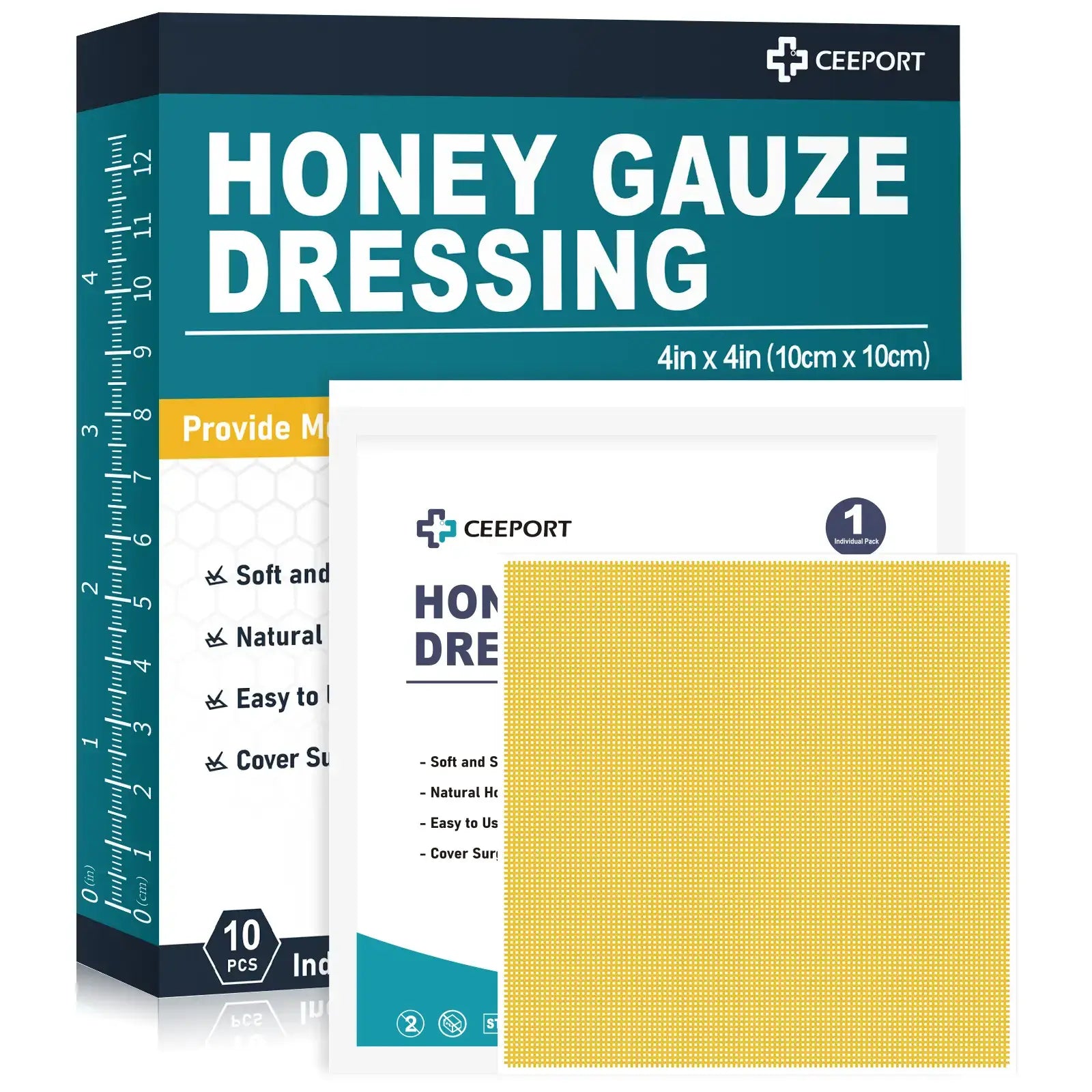
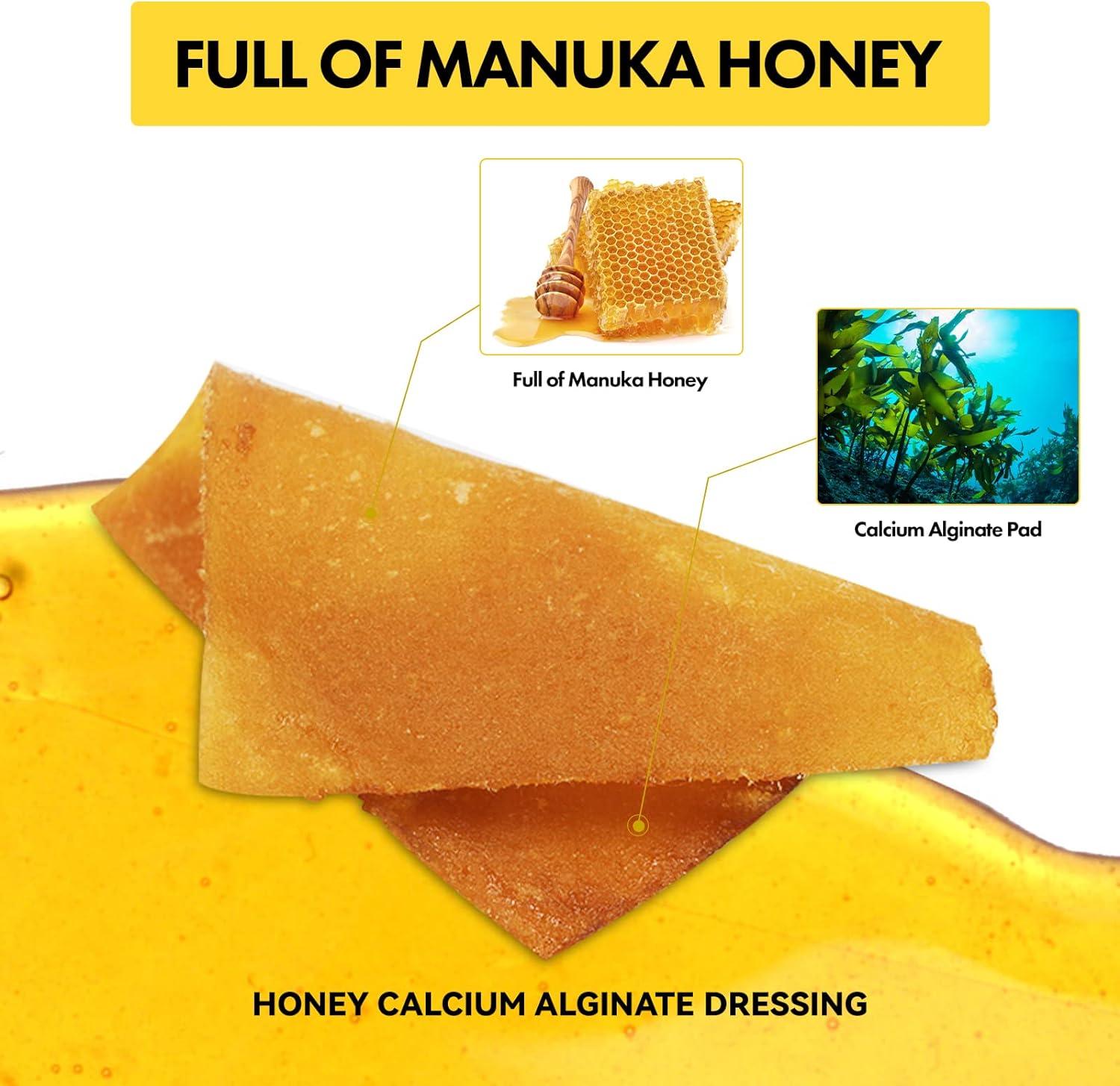
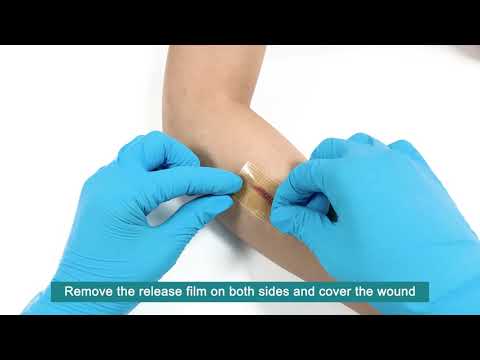
Moisture-Retaining Manuka Honey Calcium Alginate Dressing for Second-Degree Burns
【Promotes Healing of Second-Degree Burns】
Our Manuka Honey Calcium Alginate Dressing creates a moist, protective environment that supports faster healing of second-degree burns, soothing pain and reducing the risk of infection.
【Moisture Balance & Odor Control】
The natural Manuka honey layer helps maintain optimal moisture levels, prevents the wound from drying out, and minimizes odor—critical for effective care of second-degree burns.
【Comfortable & Non-Adherent】
The dressing gently conforms to the skin and is non-adherent, making changes painless. It reduces sticking to burn surfaces, protecting delicate tissue during dressing changes.
【Versatile & Customizable】
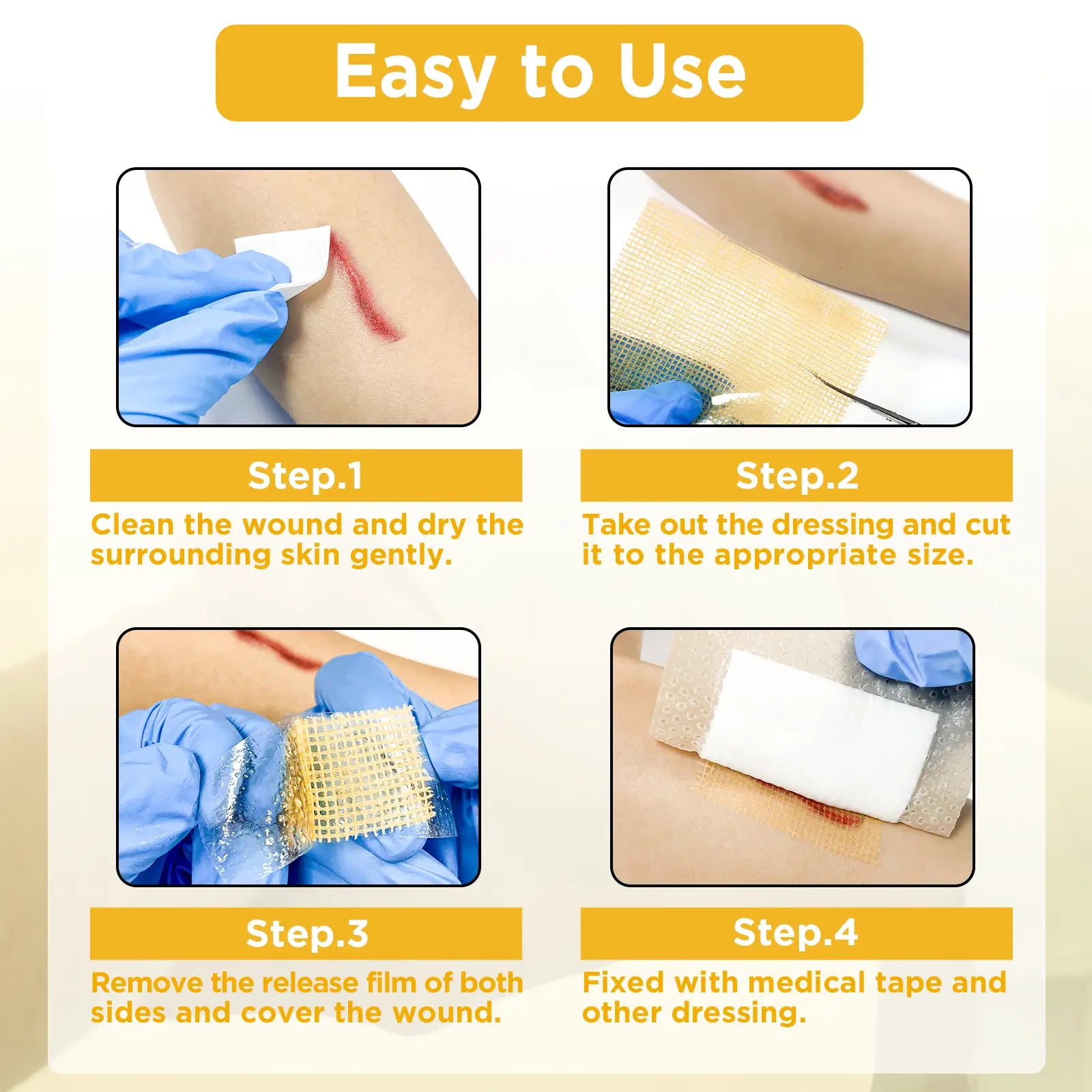
Can be trimmed to fit wounds of various sizes. Ideal not only for second-degree burns but also surgical wounds, trauma, pressure sores, diabetic foot ulcers, leg ulcers, and superficial injuries.
【Sterile & Safe for Use】
Individually packaged and sterile, ensuring hygienic application and safe wound management at home or in clinical settings.
Pairs well with
DETAILS
Material
- Natural Manuka honey
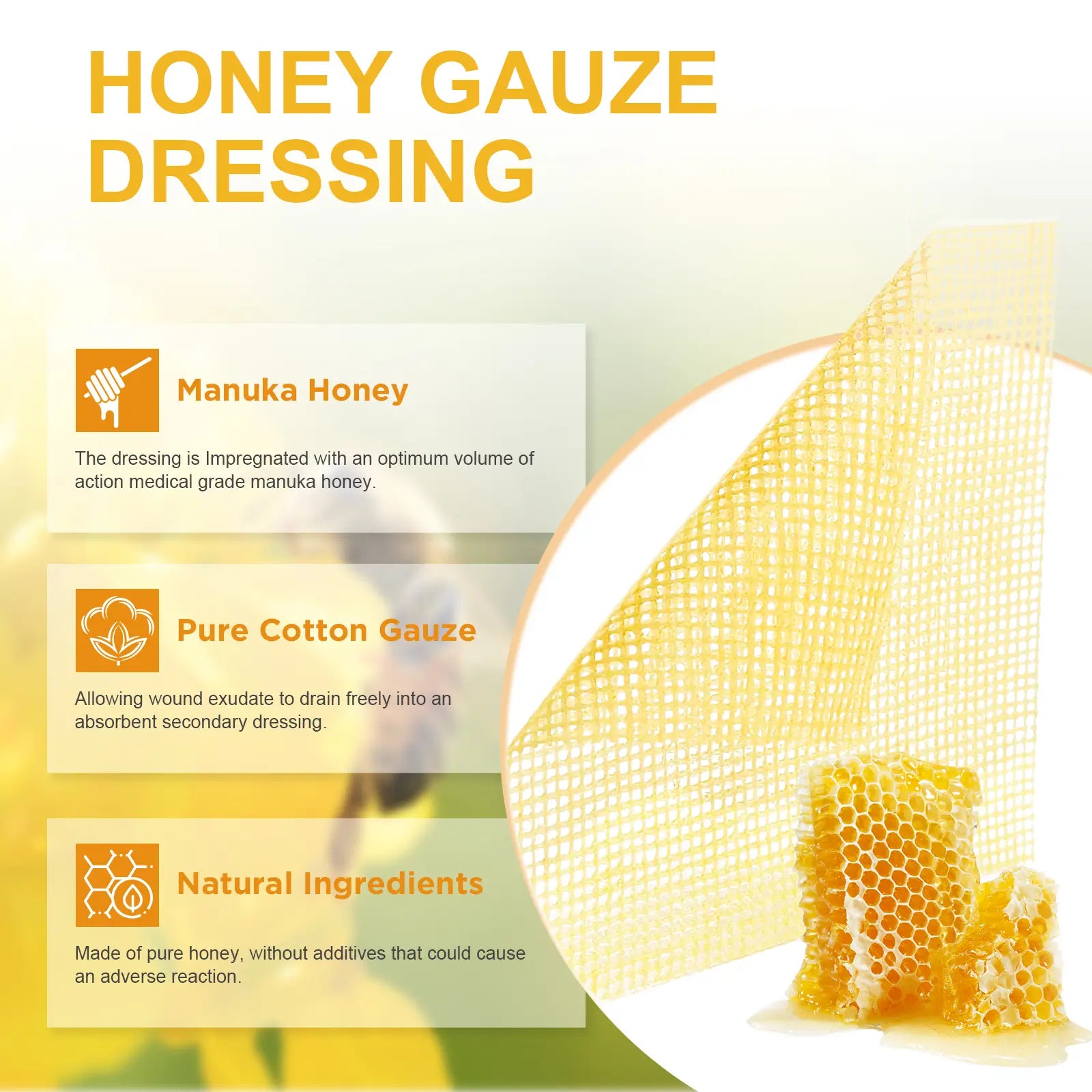
- Sterile gauze
Main Mechanism
- Antibacterial Action: Manuka honey is rich in natural antibacterial components such as methylglyoxal (MGO), which effectively inhibit bacterial growth and prevent wound infection. The enzymes in honey also produce hydrogen peroxide, further enhancing its antibacterial effect.
- Moist Healing: Manuka honey gauze dressings create a moist environment on the wound, helping to keep the wound moist, promoting cell regeneration, and accelerating healing. The moist environment also helps reduce pain and minimize scarring.
- Moisture Absorption and Debridement: The dressing absorbs wound exudate, keeps the wound moist, and promotes the removal of necrotic tissue, helping to clean the wound. The sticky nature of honey helps to trap exudate in the gauze, preventing bacterial growth.
- Coagulation Promotion: The natural components in honey can promote blood clotting, aiding in hemostasis, especially effective in reducing bleeding during the early stages of injury.
- Anti-inflammatory Action: Manuka honey has anti-inflammatory properties that help alleviate inflammation around the wound, reducing swelling and redness, and promoting comfortable healing.
- Protective Action: The thin layer of honey formed by the dressing protects the wound from external irritation, helping prevent further damage and infection.
Cautions
- A known allergy to honey or bee venom.
- Honey gauze dressing contains glucose, although it it considered safe for use by diabetics. However, it's advisable to closely monitor blood sugar levels during use.
- A few patients experience increased pain due when this dressing is applied, but this can be helped by ensureing the dressing is at room temperature before using.
- Honey gauze dressing may be changed daily, or left in place for up to 7 days, but for maximum effectiveness, it should be changed when the dressing color changes.
- A secondary dressing, such as silicone foam dressing or Island dressing, should be used in combination.


Manuka Honey Wound Dressing – Harnessing Natural Healing for Enhanced Recovery
【Promotes Healing of Second-Degree Burns】
Our Manuka Honey Calcium Alginate Dressing creates a moist, protective environment that supports faster healing of second-degree burns, soothing pain and reducing the risk of infection.
【Moisture Balance & Odor Control】
The natural Manuka honey layer helps maintain optimal moisture levels, prevents the wound from drying out, and minimizes odor—critical for effective care of second-degree burns.
【Comfortable & Non-Adherent】
The dressing gently conforms to the skin and is non-adherent, making changes painless. It reduces sticking to burn surfaces, protecting delicate tissue during dressing changes.
【Versatile & Customizable】
Can be trimmed to fit wounds of various sizes. Ideal not only for second-degree burns but also surgical wounds, trauma, pressure sores, diabetic foot ulcers, leg ulcers, and superficial injuries.
【Sterile & Safe for Use】
Individually packaged and sterile, ensuring hygienic application and safe wound management at home or in clinical settings.

Key Features & Benefits
Clinically Demonstrated Pain and Inflammation Reduction
Manuka honey’s bioactive compounds such as leptosperin and flavonoids modulate inflammatory cytokines, contributing to a statistically significant reduction in patient-reported pain scores by up to 40% within 72 hours of application
Accelerates Tissue Regeneration Through Moisture Retention and Antimicrobial Action
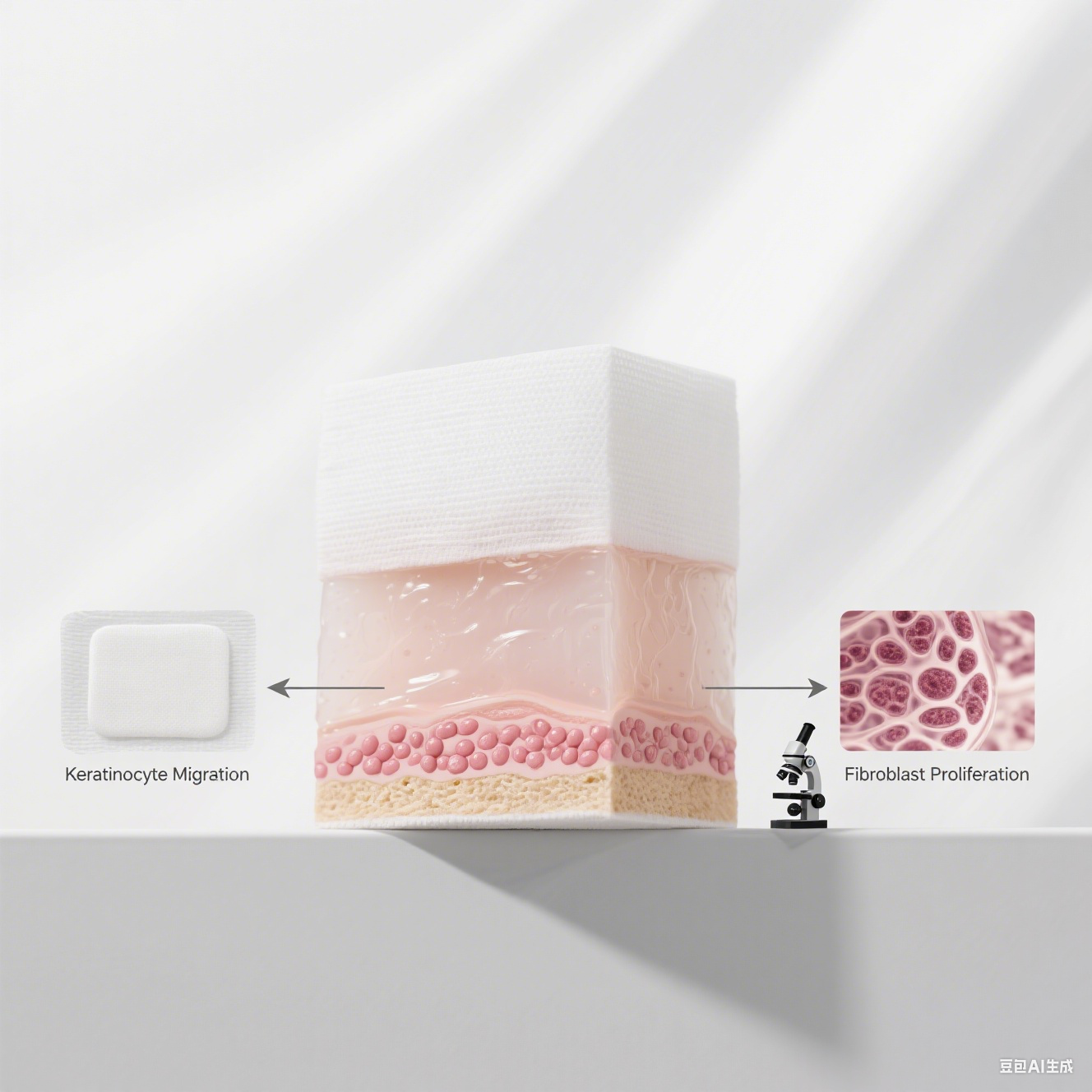
By preserving a sterile, moist wound bed, the dressing facilitates keratinocyte migration and fibroblast proliferation, accelerating granulation tissue formation by up to 25% compared to standard dressings.
Advanced Exudate Management Supporting Optimal Moist Wound Healing
The highly absorbent gauze matrix effectively manages wound exudate volumes of up to 15 ml/cm²/day, maintaining a balanced moist environment critical for autolytic debridement and reducing periwound maceration
Hypoallergenic and Biocompatible Materials
Complies with ISO 10993 standards for biocompatibility, minimizing risk of sensitization and allergic reactions even during prolonged use.


You asked, we answered.
How do I determine the severity of my burn?
Burns are classified into four levels based on severity:
- Red, swollen skin without blisters; heals on its own.
- Red, blistered skin with moderate pain; requires moist dressings for healing.
- Blisters may burst, skin may appear white or dark red; high infection risk and may require skin grafting.
- Charred or waxy white skin with no pain (nerve damage); requires immediate medical attention.
👉 Recommendation: Minor burns can be treated at home, but second-degree or deeper burns should be evaluated by a doctor.
How do I choose the right size?
Ensure that the silver alginate dressing extends at least 1-2 cm beyond the wound edges. This helps to form a seal and prevents the dressing from lifting, while also minimizing the risk of contamination.
Can I continue using dressings after the burn wound has scabbed over?
Scabbing is part of the natural healing process, but excessive dryness can delay healing. Recommendations:
- If the scab cracks or delays healing, continue using hydrocolloid or silicone foam dressings to keep the wound moist.
- If the scab is intact and infection-free, discontinue dressings and switch to moisturizing treatments (silicone gel sheets, transparent film) to reduce scarring.
How often should I change the dressing on my burn wound?
The frequency depends on the dressing type and wound exudate level:
- Moist-retaining dressings (hydrocolloid, silicone foam, honey gauze) → Can stay in place for 3-5 days, but should be changed earlier if exudate increases.
- Highly absorbent dressings (silver alginate, calcium alginate) → Should be changed every 1-2 days to prevent oversaturation and infection.
- Antibacterial dressings (honey-based, bismuth tribromophenate)changed every 2-3 days, depending on exudate levels.
What is the difference between honey gauze and honey alginate dressings?
The key difference is absorption capacity:
- Honey gauze → Best for low to moderate exudate wounds, with antibacterial and healing benefits.
- Honey alginate → Absorbs moderate to heavy exudate, combining alginate’s absorption power with honey’s antimicrobial properties.
👉 For high-exudate wounds, honey alginate is the better choice.